Quick Answer
A roofing referral program wins storm-season business by turning past customers into the trusted local voice homeowners reach for when unfamiliar crews start knocking. Build the foundation before the weather (a customer list, a simple offer, and a tracked link), respond visibly after it hits, pay tiered rewards only on completed and paid jobs, and track every stage of a long sales cycle. One roofing company in our case studies earned $299,831 from 13 referred projects while paying no more than $500 per referral.
Welcome to ReferralHero, where we read the referral forecast so your pipeline stays dry no matter what the sky does.
The hail stops at 4:15 p.m. By 6:00, three trucks with out-of-state plates are working Maple Street, and every homeowner on the block is getting the same pitch from a stranger with a clipboard.
One homeowner closes the door and does what people do when they don't know who to trust. She texts the neighbor whose roof you replaced last year: "Who did yours? Were they any good?"
That text is the whole game. Whether it ends in your name or a stranger's depends on something settled long before the storm: whether you ever gave that neighbor a reason, and a way, to recommend you.
Let us name the challenge. Storms create a surge in demand and a collapse in trust at the same time. Consumer protection agencies routinely warn homeowners to be wary of out-of-town contractors who appear after severe weather. A referral program is the antidote, because it gives local, reputable companies a system for turning satisfied customers into the voices homeowners actually believe.
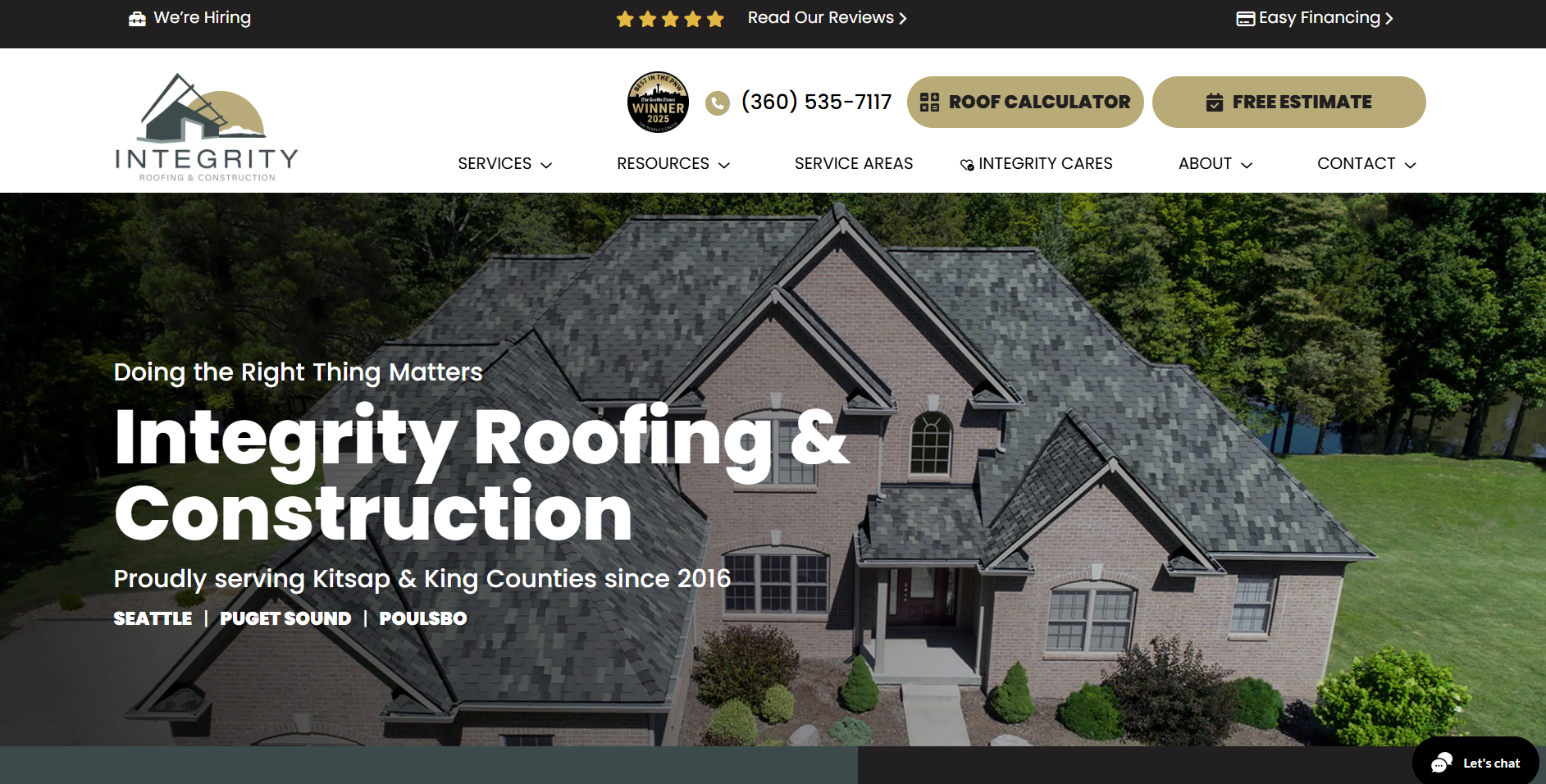
The numbers back it up. McKinsey research found that word of mouth is the primary factor behind 20-50% of all purchasing decisions, with the greatest influence on expensive and first-time purchases. A new roof is both. And in our case study of Integrity Roofing & Construction, a referral program produced $299,831.83 from 13 completed projects, an average of about $23,000 each, with no reward higher than $500.
In this guide, we are going to walk through the Forecast Blueprint: five phases for building a roofing referral program that earns trust before a storm, wins business during storm season, and keeps referrals flowing in the quiet months after.
Key Takeaways
- After a storm, trust is the scarce resource. Homeowners are wary of unfamiliar crews, and a neighbor's recommendation outweighs a door knock.
- Build before the weather. Your customer list, offer, and tracked link need to exist before the storm, because trust cannot be built in a week.
- Tier the reward to the job. A reward that scales with project value keeps small jobs profitable and big jobs motivating.
- Track every stage of a long sales cycle. Follow each referral from lead to approved to completed, and pay only when the job is finished and paid.
- Stay compliant. Never offer to waive or rebate an insurance deductible, and check your state's rules on inducements before you launch.
- Keep going after the storm. Finished roofs, photos, and yearly check-ins keep referrals coming when the sky is clear.
Why Do Referrals Matter More for Roofers After a Storm?
Referrals matter more after a storm because the neighborhood fills with unfamiliar contractors, homeowners cannot tell who is reliable, and a roof is a rare, expensive purchase they have no go-to provider for. A recommendation from a neighbor is the fastest and most credible trust signal available.
Think about what a homeowner is facing the week after hail. She has damage she cannot fully assess, an insurance claim she has never filed, and a stream of strangers offering to fix it. Every part of that situation raises the cost of choosing wrong.
Four things make a referral especially powerful in that moment:
- Trust collapses while demand spikes. More contractors competing for attention makes a known name more valuable, not less.
- A roof is a once-in-decades purchase. Most homeowners have no roofer they can call by name.
- The stakes are high. A bad roof means leaks, a denied claim, or a second bill, so people want proof before they sign.
- Referred leads convert better. We estimate referred leads convert at 3-5 times the rate of cold leads. Solatube Home saw referred visitors convert to quote requests at 19.1% versus 2-5% for cold traffic, and Integrity Roofing saw half of its referred visitors become leads.
You can see how this works in practice on our roofing referral program software page, and in the Solatube Home case study.
The point is not to wait for a storm and hope someone remembers you. It is to make sure that when the text goes out, your name is the one that comes back.
What Makes a Roofing Referral Program Different From Other Home Service Programs?
A roofing referral program differs in three ways: the sales cycle is long and multi-stage, the purchase is rare and high-ticket so rewards must scale with job value, and insurance rules add compliance risks most other trades never face. Design for all three from the start.
A long, multi-stage sales cycle. A plumbing referral might book the same day. A roofing referral moves through an inspection, an estimate, an insurance conversation, a contract, an install, and a final payment. Integrity Roofing tracks three stages for every referral: Lead (the homeowner schedules an appointment), Approved (the estimate is approved and a contract is signed), and Installation (the project is finished and paid in full). Seeing referrals at each stage tells you how many are in progress, even before any revenue arrives.
A rare, high-ticket purchase. Because a homeowner replaces a roof once in a long while, the same customer rarely refers you twice for the same service. That makes the first referral count, and it means the reward has to feel meaningful. Integrity's projects range from under $3,000 to more than $20,000, so its rewards are tiered to match. Our guide to referral rewards explains why high-ticket work leans toward cash or gift cards over credits.
Insurance and legal exposure. Roofing often involves an insurance claim, and many states regulate what contractors can promise. Texas, for example, makes it illegal for a contractor to offer to waive, rebate, or absorb a policyholder's deductible, and other states have similar rules. A referral reward must never be structured as a deductible offset. We cover the guardrails in Phase 3.
These differences are why a generic customer referral template rarely fits a roofer. The rest of this guide builds a program shaped around them.
Phase 1: Build the Foundation Before the Storm
Before storm season, enroll your past customers in a referral program, define a simple offer, set up a tracked link and landing page, and prepare your messages and proof. The goal is to be ready to launch within hours of a storm, not weeks after it.
Trust cannot be improvised once the hail has fallen. The contractors who win storm-season referrals are the ones who did the quiet work in the spring.
Here is the pre-storm checklist:
- Enroll your past customers. Import your customer list and send each person a personal referral link. Past customers are your most credible referrers, and they only need to hear from you once to be ready.
- Write the offer. Give the neighbor a no-pressure free inspection, and give the referrer a tiered reward that scales with the job (Phase 3 covers the structure).
- Build a short referral page. It should work on a phone, confirm who referred the visitor, and ask only for a name, an address, and the service needed.
- Pre-write your messages. Draft the storm check-in text, the door hanger copy, and a follow-up email so nobody is writing from scratch during a busy week.
- Gather your proof. Collect before-and-after photos, recent reviews, your license and insurance details, and a few local references. These are the assets a cautious homeowner will ask for.
- Train the office. Every new caller should be asked, "Who should we thank for sending you?" so phone referrals get credited.
If you are setting this up for the first time, our guide on how to set up a referral program walks through each step, and our integrations connect the program to the CRM your team already uses.
Phase 2: Respond Fast and Visibly When the Storm Hits
After a storm, send past customers a caring check-in with their referral link, offer neighbors a no-pressure free inspection, and make your finished work visible through permission-based yard signs and door hangers. Lead with help, not a pitch, so you are clearly different from the crews who show up only when the weather turns.
Speed matters, but tone matters more. The goal is to be the helpful local company, not the loudest one.
- Within 24-48 hours, check in. Text or email past customers to ask how the house held up, and include their personal link for neighbors who need an inspection.
- Make the inspection the offer. A free, no-pressure inspection with photos gives a worried homeowner something real and costs you a short visit.
- Show your work. With the homeowner's permission, place a yard sign at recently completed jobs, and leave door hangers nearby that mention the finished project. Our guide to referral cards covers physical materials that carry a trackable code.
- Answer fast. A referral that waits two days for a callback is a referral that calls someone else.
- Respect the rules. Many cities regulate door-to-door solicitation after a disaster, so check local ordinances before you canvass.
A short check-in text keeps it human:
"Hi Maria, it's Alex at Summit Roofing. Hope you and the house are okay after last night's hail. If a neighbor needs a free storm inspection, here's your personal link: [link]. They get a no-pressure inspection, and we'll send you a thank-you if they hire us."
Notice what the message does not do: it does not mention insurance outcomes, promise a claim approval, or push anyone to sign. Our guide on how to ask for referrals covers more wording that stays helpful instead of pushy.
Phase 3: Structure a Multi-Step Reward and a Compliant Offer
Tie the reward to completed project value in tiers, pay only when the job is finished and paid, and keep every offer clear of insurance deductible waivers. Integrity Roofing's five tiers, from $25 to $500, kept combined rewards at or below roughly 5% of any job over $1,000.
A flat reward breaks down in roofing. It is too generous on a small repair and too thin on a full replacement. Tiers fix both problems. Here is the structure Integrity Roofing uses, where the advocate and the referred homeowner each receive the same amount as a gift card or cash once the project is complete and paid in full:
- Up to $3,000: $25 each
- $3,001 to $5,000: $75 each
- $5,001 to $10,000: $125 each
- $10,001 to $20,000: $250 each
- $20,001 and up: $500 each
You can read the full breakdown in the Integrity Roofing case study. Your own numbers will differ, but the principle holds: scale the reward to the job and cap the total as a percentage of revenue.
Cash is the gateway, so add a non-cash layer that keeps your best advocates sharing. Options that cost little and mean a lot include a free annual roof check, priority scheduling after a storm, recognition in your newsletter, and the option to donate the reward to a local charity. Our guide to referral rewards covers how to balance the two.
Now the guardrails, because roofing is where a well-meaning reward can create real legal trouble:
- Never offer to waive, rebate, or absorb an insurance deductible. The Texas Department of Insurance states plainly that this is illegal in Texas, and other states have similar rules. Do not structure a referral reward, a neighbor discount, or a "free roof" promise as a deductible offset.
- Do not act as the adjuster. Some states bar contractors from acting as public adjusters on jobs they also perform. Keep your role to inspecting, documenting, and estimating.
- Put the terms in writing. State what counts as a qualified referral and that rewards are paid only on completed, paid projects.
- Mind the paperwork. Rewards paid to individuals can trigger tax reporting. Our guide on paying referral fees to individuals covers the basics.
Rules vary by state and change over time, so have an attorney review your offer before you launch. This is general information, not legal advice.
Phase 4: Capture Referrals Across a Long Sales Cycle
Give every referrer four ways to refer (a personal link, a QR code, a quick-add form, or simply mentioning their name), track each referral through lead, approved, and completed stages, and send each new customer their own referral link as soon as their job is approved. Visibility at every stage keeps a long cycle from going dark.
A roofing referral can take weeks to become revenue, and a lot can go wrong in between. Tracking is what keeps the referrer informed and your team accountable.
- Offer four ways to refer. A personal link and QR code cover the digital crowd. A quick-add form lets a member enter a friend's details directly. And "mention my name when you call" covers everyone who just picks up the phone. Integrity Roofing offers all four.
- Track three stages. Record the lead when an appointment is scheduled, mark the referral approved when the contract is signed, and mark it completed when the project is paid. Tie the reward to the last stage only.
- Credit phone referrals by name. Train your office to ask, "Who should we thank for sending you?" and enter the name so the referrer is credited without a link. Our guide to referral systems shows how name-based tracking works alongside links.
- Turn every approved customer into the next advocate. Integrity's program sends the referred homeowner an automated email with their own advocate link as soon as their job is approved. The company points to that email as its biggest driver of new referrals, because it reaches people right after they have committed to a project.
- Keep the referrer updated. A short message when the referral books and again when the job is done closes the loop and makes another referral far more likely.
If you send referral updates by text, keep transactional messages (status updates) separate from promotional ones, and collect consent for each. It keeps the SMS side of the program clean and respects homeowners' preferences.
For the full tracking setup, including links and codes, see our guide to tracking referrals.
Phase 5: Turn Finished Roofs Into Off-Season Referrals
After the install, keep the relationship alive with a thank-you, a photo, a permission-based yard sign, a yearly roof check-in, and a recognition path for repeat referrers. This turns a once-in-decades customer into an advocate who sends work long after the storm is forgotten.
Storm season is a spike. Referrals are what keep the calendar full in the quiet months, and they depend on what happens after the last shingle goes down.
- On completion day: Send a thank-you with a photo of the finished roof and the customer's personal referral link, so they can share while the result is fresh.
- On the lawn: With permission, leave a yard sign with a QR code. Neighbors see the work, scan the code, and the referral is credited automatically. Check HOA rules and local ordinances first.
- Every spring: Offer a free roof check-in and a short seasonal tip, such as clearing gutters before winter. It keeps your name in the house and gives the customer a natural moment to pass on your link.
- A recognition path: Reward the first referral with cash, add a free annual roof check at the third, and recognize your top advocates publicly, with their permission. Our list of customer incentives has more ideas for non-cash perks.
- A values layer, if it fits: Integrity Roofing also runs a non-profit partner program, so its community giving is tied directly to the work referrals bring in. Our collection of referral program ideas includes charity-driven examples you can adapt.
- Strategic partnerships: If you're partnered with a non-competitor in a relevant industry, for example the best traditional interior home decor brand, you can offer extra rewards for your system that resonate with the audience.
Then measure what matters. Track referrals as a share of all incoming leads, the number of referred projects pending, and your cost per closed referral. Integrity's goal is for referrals to reach 30% of incoming leads, which is a useful kind of target to set. To see what a referral program could mean for your numbers, run them through our referral marketing ROI calculator.
Frequently Asked Questions (FAQ)
1. How much should a roofer pay for a referral? Scale the reward to the job. Integrity Roofing pays tiered amounts from $25 to $500 to both the advocate and the referred homeowner, which keeps combined rewards at or below roughly 5% of any job over $1,000. As a starting range for roofing, our framework is $250-$500 per completed job.
2. Can I offer to cover a customer's insurance deductible as a referral incentive? No. In Texas it is illegal for a contractor to offer to waive, rebate, or absorb a deductible, and other states have similar rules. Never structure a reward, discount, or free-roof promise as a deductible offset, and have an attorney review your offer.
3. When should I pay a referral reward? Pay only when the referred project is completed and paid in full. Track the earlier stages, lead and approved, so you can see what is in progress, but tie the reward to the final stage so you never pay for work that does not happen.
4. How do I get referrals after a storm without looking like a storm chaser? Be visibly local and proven. Send your past customers a check-in with their referral link, offer neighbors a free, no-pressure inspection, share your license, insurance, and local references, and use permission-based yard signs. Avoid cold door-knocking with high-pressure pitches.
5. How do I track referrals that come in by phone? Use name-based attribution. Ask every new caller, "Who should we thank for sending you?" and enter the name so the referrer is credited without a link. Our guide to referral codes covers other ways to track referrals that happen offline.
6. Do yard signs help with roofing referrals? Yes, when you have the homeowner's permission and the sign carries a QR code or short link. They put your finished work in front of neighbors at the moment they are curious. Check HOA rules and local sign ordinances first.
7. How long does a roofing referral take to turn into revenue? Longer than in most trades, because it moves through inspection, estimate, approval, install, and payment. Track the stages so you can see pending projects. Integrity Roofing described its program as a slow start that built momentum, and now watches its pending projects as a sign it is working.
8. Can a small roofing company run a referral program? Yes. Enrollment, tracking, and reward payouts can run automatically, so a small team does not need extra staff. See our roofing referral program software page for how it works, or our small business referral guide for a lean setup.
The Bottom Line
You cannot control when the next storm arrives. You can control whether, when it does, your name is the one homeowners hear from someone they trust.
The Forecast Blueprint makes that happen. Build the foundation before the weather, respond with help instead of pressure, tier your rewards to the size of the job and pay only on completed work, track every stage of a long sales cycle, and keep the relationship going long after the last shingle is down. Stay on the right side of the rules, and never let a reward become a deductible offset.
Cash gets the first referral. Recognition, follow-up, and a roof that holds up get the next ten. Use both, and let your best customers be the reason storm season fills your calendar instead of someone else's.